How Long Do Fridge Clings Last? A Care, Storage and Reuse Guide
Fridge clings last as long as their surface stays clean and flat, because static cling holds them up rather than glue. Custom Fridge Clings prints every cling with full-color art on a reusable cling sheet, so the way you store the box, hand them out and clean them decides whether a cling keeps working through many moves and reapplications.
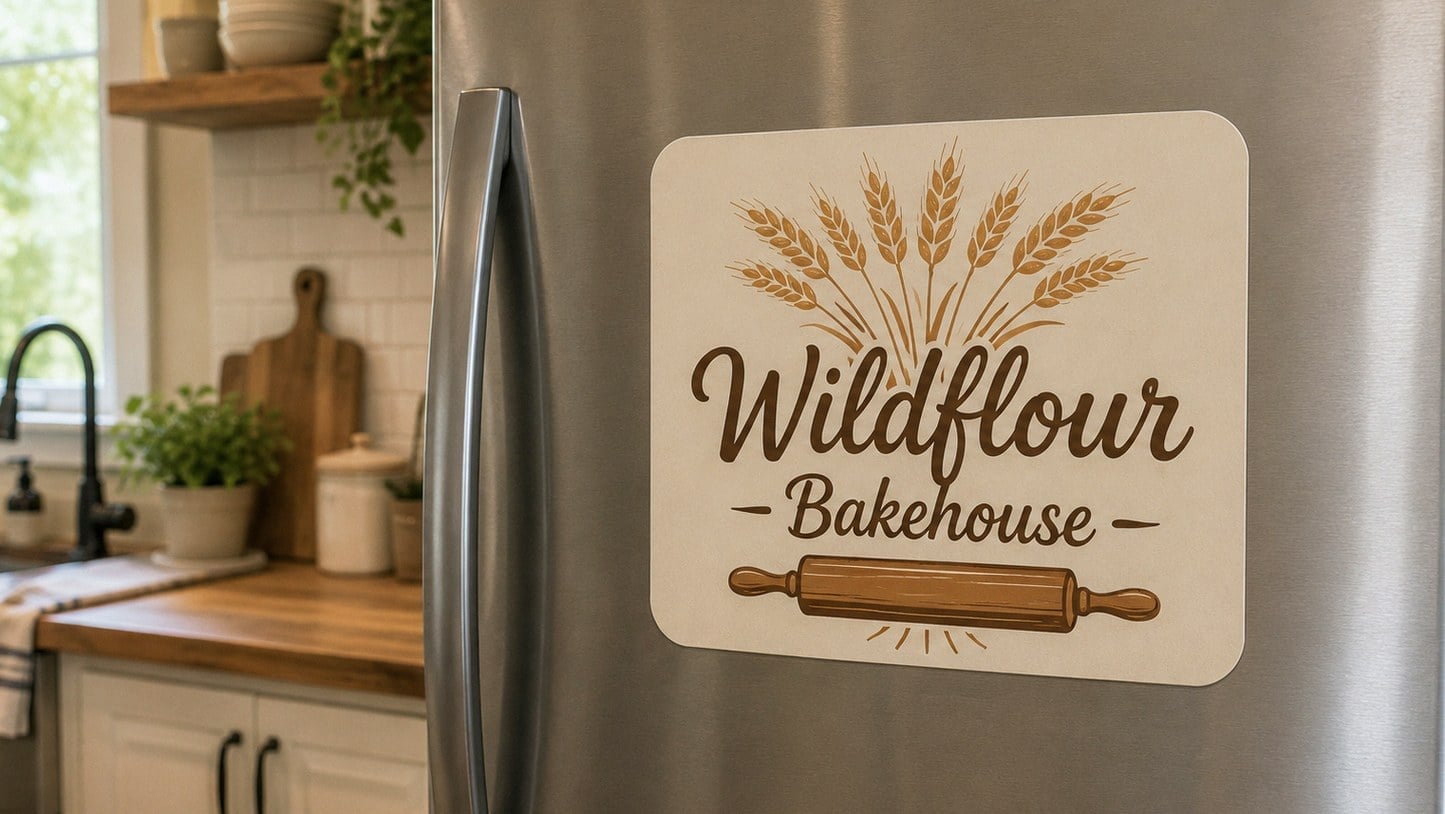
- Fridge clings hold by static cling, not adhesive, so they can be peeled off and reapplied
- Unused clings stay best stored flat on their backing sheets, away from heat
- Dust and grease are the main reasons a cling stops holding, and gentle cleaning usually fixes it
- Minimum order is 12 fridge clings, with a free mockup within 24 hours
- Standard turnaround is about 2 weeks after you approve the design
How long does a custom fridge cling actually last?
A custom fridge cling lasts as long as its back stays clean and its sheet stays flat, which in a normal kitchen means a long time on the same appliance. Because a fridge cling holds by static cling rather than adhesive, there is no glue to dry out, yellow or lose its grip. What ends a cling’s useful life is almost always handling: creases, dust, kitchen grease or a crumpled corner.
That makes lifespan something you control, not a fixed number printed on a spec sheet. A fridge cling that is applied to a clean, smooth door and left alone tends to stay put and keep its color. A cling that gets pulled off, folded into a purse and slapped onto a dusty surface will struggle sooner.
Three things decide how long yours lasts:
- The surface: smooth, clean, non-textured fronts give the cling the most contact. The surface-by-surface guide on this blog covers which fridge finishes work best.
- Handling: clings that are peeled and moved carefully keep their shape far longer than ones that get bent.
- Storage before use: how the box sits between delivery and hand-out matters more than most buyers expect, especially for a large run.
How should I store unused fridge clings before handing them out?
Store unused fridge clings flat, on their backing sheets, in the box they arrived in, somewhere cool and dry. That single habit prevents most of the problems buyers run into months later, such as curled edges, dust on the cling side or sheets stuck together. Custom Fridge Clings ships each cling on a backing so the cling side stays protected until the moment someone applies it.
The places clings tend to get damaged are predictable: a hot car trunk, a sunny window ledge, a damp garage shelf or the bottom of a bag under heavier items. Heat can soften the sheet and encourage curl, moisture can affect the backing, and pressure from above can leave creases that show once the cling is on a fridge.
- Keep the box closed and lying flat rather than on its edge.
- Leave each cling on its backing until it is being applied.
- Pull only what you need for an event or a week of closings, then close the box again.
- Keep a small stack in a flat folder or envelope for daily use rather than loose in a bag.
Real estate teams, restaurants and home service crews who stage clings across several offices or vans should give each location its own flat folder so the main supply stays untouched.
What is the right way to apply and remove a fridge cling?
The right way to apply a fridge cling is to wipe the spot clean and dry, peel the cling from its backing, and smooth it on from one edge to the other so no air gets trapped. The right way to remove one is to lift slowly from a corner and peel it back across itself instead of yanking it straight off. Both steps protect the cling sheet from stretching and creasing.
Smoothing matters because static cling works through close contact. A bubble in the middle or a lifted corner gives dust a way in, and a corner that catches on fingers or towels every day is usually the first part of a cling to fail. Working from the center outward with a flat palm or a soft cloth gives the best contact.
When a cling needs to move, keep the backing sheet if you still have it. Placing the cling back on its backing between uses is the easiest way to keep the cling side clean. If the backing is gone, a smooth sheet of clean plastic or wax paper is a reasonable stand-in.
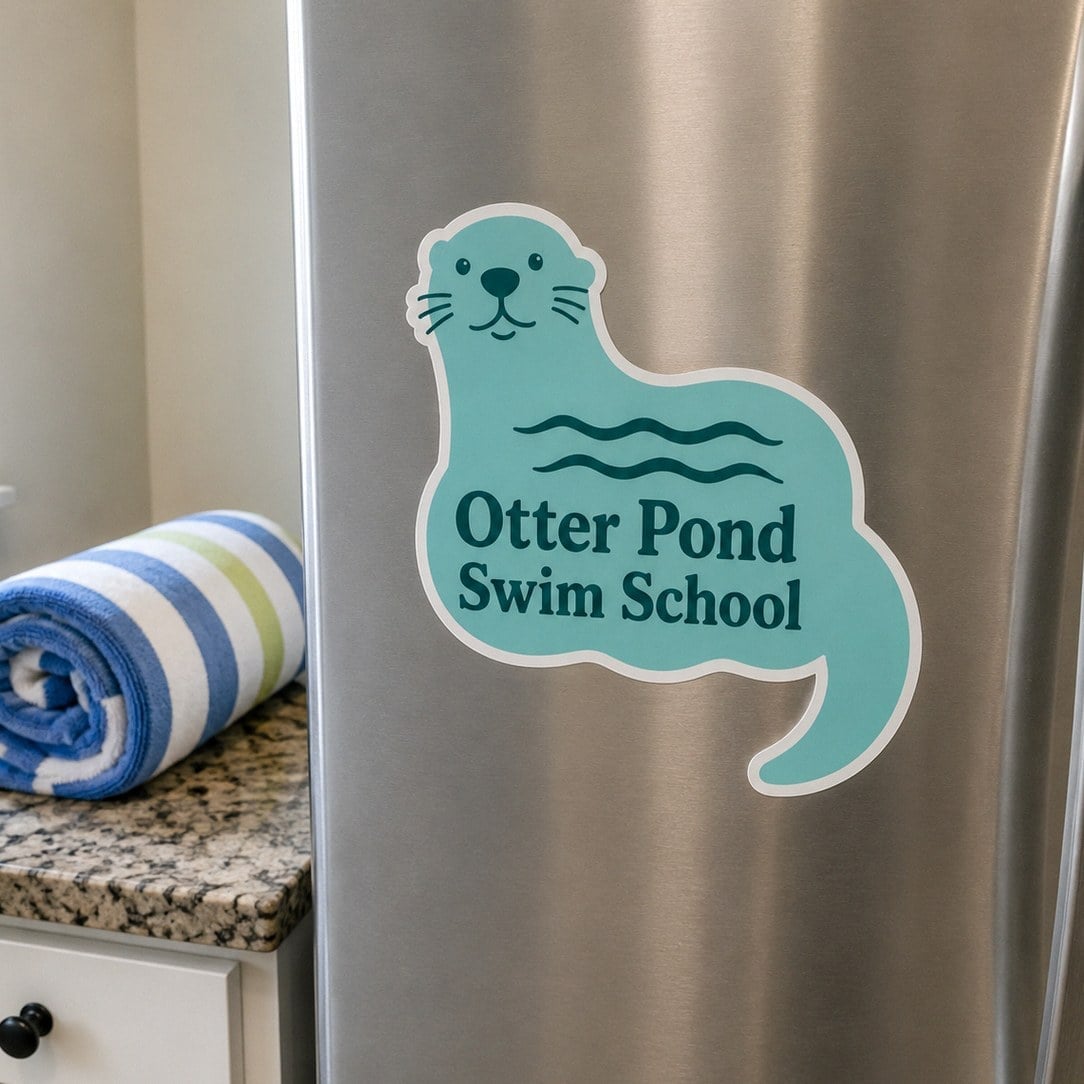
The die-cut custom shape cling deserves extra care at narrow points of the design, since thin sections bend more easily than the edge of a standard rectangle cling.
Can a fridge cling be reused after it stops sticking?
A fridge cling that stops sticking can usually be brought back by cleaning the cling side and the surface, then reapplying it carefully. Most of the time the cling has not worn out at all. A thin layer of dust, cooking grease or fingerprints is sitting between the sheet and the fridge, and static cling cannot hold through it.
Gentle cleaning is the fix. Rinse the cling under cool water with a drop of mild dish soap, rub lightly with fingertips, rinse, and let it air dry or pat it with a lint-free cloth. Wipe the fridge door at the same time, because a clean cling on a greasy surface still slides. Avoid anything abrasive, solvent-based or very hot, since those can scuff the print or warp the sheet.
| What you notice | Likely cause | What to try |
|---|---|---|
| Cling slides down slowly | Grease or dust on the cling or the door | Wash both gently, dry fully, reapply |
| One corner keeps lifting | Bent or creased corner | Flatten under a book on its backing, then reapply |
| Cling will not grip at all | Textured or coated fridge finish | Move it to a smooth door, cabinet or window |
| Edges curled in the box | Heat or storage on edge | Store flat under light weight before use |
A cling with a hard crease through the print can still stick, but the crease will usually stay visible. Prevention through flat storage is easier than repair.
Will the print on a fridge cling stay bright in a busy kitchen?
The print on a fridge cling stays bright in a busy kitchen when it is kept away from harsh cleaners and constant direct sun. Custom Fridge Clings prints full-color art directly on the cling, so the design is part of the sheet rather than a separate sticker layer that can peel apart. Everyday kitchen life, such as splashes, door opening and the occasional wipe, is what fridge clings are made for.
A few habits help the colors hold up for as long as the cling is on display:
- Wipe the face of the cling with a soft damp cloth rather than a scrub sponge.
- Skip bleach sprays, oven cleaners and alcohol-heavy wipes on the printed side.
- Avoid placing a cling right next to a stove where heat and grease build up.
- Keep strong, all-day sun off clings placed on windows if long-term color matters to you.
Design choices help too. Bold shapes, strong contrast and clear text stay readable even after a cling has seen a lot of handling, which is why the free mockup within 24 hours is a good time to ask about contrast and type size. The blog also has an artwork guide that covers readable layouts in more detail.
Which fridge cling style holds up best for repeated moves?
For a fridge cling that will be moved often, a solid shape with no thin points holds up best. A standard rectangle or a calendar fridge cling has straight, sturdy edges, so it peels and reapplies cleanly many times. A die-cut shape with skinny tails, small tabs or narrow lettering looks striking but needs a gentler hand.
| Style | Handling | Good fit when |
|---|---|---|
| Standard rectangle | Most forgiving to peel and reapply | Clings get moved between fridges, offices or vans |
| Calendar | Sturdy, usually stays in one spot all year | The cling is meant to stay up for a long stretch |
| Photo | Sturdy edges, but clean handling protects the image | Families or clients will keep it on display |
| Die-cut custom shape | Needs care at thin sections | Brand recognition from the shape matters most |
| Mini or jumbo | Minis tuck into folders, jumbos need flat storage | You need a pocket hand-out or a statement piece |
Size affects handling as well. A mini fridge cling is easy to keep flat in an envelope, while a jumbo fridge cling should travel in a rigid folder so it does not bend. If your clings will be mailed, ask about envelope fit when you request the quote.
How do you plan a fridge cling order that will be used over many months?
A fridge cling order that will be handed out over many months works best when you plan storage and reorders at the same time as the design. Custom Fridge Clings keeps your approved artwork on file, so a later batch can match the first one, and the minimum order of 12 makes smaller staged runs realistic instead of one oversized order sitting in a closet.
Buyers who hand out clings slowly, such as a realtor giving one at each closing or a dental office including one in new-patient packets, often get the best results by ordering a quantity they can store well and reordering when the box runs low. Fresh stock on hand is always easier to keep clean and flat than an older box that has been opened many times.
- Decide where the main box will live and who pulls clings from it.
- Split daily-use stock into flat folders for each office or vehicle.
- Note when the box is getting low and request a reorder with time to spare, since standard turnaround is about 2 weeks after approval.
- Update phone numbers, addresses or dates on the artwork before reordering if anything has changed.
For seasonal pieces like calendars, timing the order so clings arrive close to hand-out keeps them fresh. The how it works page walks through each step of an order.
What should you tell the people who receive your fridge clings?
The people who receive your fridge clings will get far more life out of them if you tell them, in one short line, how to apply them: clean, dry, smooth surface, then press flat. Many recipients have never used a static cling before and assume it works like a magnet or a sticker. A quick tip on the backing, the envelope or a note card prevents most early failures.
Useful wording is simple and friendly, for example a line that says the cling sticks without glue, peels off cleanly and can be rinsed and reapplied if it ever slips. That message also reassures people who worry about marking a new appliance, which is a common concern for homeowners at a closing or families receiving a photo fridge cling.
- Print the tip on the reverse of a mailer card or on a sticker on the envelope.
- Have front-desk staff or agents say it out loud when handing a cling over.
- Ask Custom Fridge Clings whether a short care line can fit on the mockup itself.
A cling that stays up stays useful, and that is the whole reason to order one. When you are ready, request a quote and the free mockup arrives within 24 hours, with nothing to pay until you approve it.
Frequently asked questions
Should unused fridge clings be stored flat or rolled up?
Unused fridge clings should be stored flat on their backing sheets rather than rolled. Rolling encourages the sheet to curl, and a curled cling has a harder time making full contact with the fridge door. Keep the box lying flat in a cool, dry room, and pull out only the clings you need for the next event or week of hand-outs.
Can a hot car ruin a box of fridge clings?
A box of fridge clings left in a hot car can develop curled edges or softened sheets, especially near a sunny window. Short trips are fine, but avoid leaving clings in a vehicle for long stretches in summer. Teams who carry clings in vans or cars do best with a small flat folder of daily stock while the main box stays indoors.
What soap is safe for washing a fridge cling?
A fridge cling washes safely with cool water and a small drop of mild dish soap. Rub the cling side gently with your fingertips, rinse, and let it air dry or pat it with a lint-free cloth. Skip bleach, solvents, oven cleaners and abrasive sponges, since Custom Fridge Clings prints full-color art that harsh products can scuff.
Why does my fridge cling slide down the door slowly?
A fridge cling that slowly slides down usually has dust or grease between the sheet and the door. Kitchen air carries a film of cooking oil that builds up on appliance fronts. Wash the cling gently, wipe the door with a mild cleaner, dry both fully and reapply by smoothing from one edge across, and the cling normally holds again.
Can I flatten a fridge cling with a bent corner?
A fridge cling with a bent corner can often be flattened by placing it back on its backing sheet and leaving it under a heavy book for a day. Light bends usually relax and the corner grips again. A sharp crease through the printed design tends to stay visible, so storing clings flat from the start is the better habit.
Is it okay to move a fridge cling between different appliances?
Moving a fridge cling between appliances is fine as long as each new surface is smooth, clean and dry. Peel the cling slowly from a corner, keep the cling side away from dust while it is off, and smooth it onto the new spot. Custom Fridge Clings designs work on fridges, dishwashers, cabinets and windows with smooth fronts.
Do die-cut fridge clings need more careful handling than rectangles?
Die-cut fridge clings need a little more care than rectangles because thin tails, tabs and narrow points bend more easily. Peel them slowly from the widest edge and avoid lifting by the skinniest part of the shape. During the free mockup, the Custom Fridge Clings art team can suggest thickening fragile areas so the shape survives everyday use.
Can I keep a fridge cling's backing sheet to reuse it later?
Keeping a fridge cling's backing sheet is a smart move if the cling will be moved, mailed again or stored between seasons. Placing the cling back on its backing protects the cling side from dust and keeps the sheet flat. If the backing is lost, a clean piece of wax paper or smooth plastic works as a temporary substitute.
Should a care tip be printed on the envelope that holds a fridge cling?
A short care tip on the envelope or mailer that holds a fridge cling is worth adding, because many recipients have never used static cling. One line explaining that the cling sticks without glue, peels off cleanly and can be rinsed and reapplied prevents early failures. Ask Custom Fridge Clings whether the line can also fit on the mockup.
Can fridge clings be used on a car window or a glass door?
Fridge clings can be applied to smooth glass, such as a glass door, office window or the inside of a car window, as long as the glass is clean and dry. Place them on the inside of glass rather than the outside so weather, wipers and car washes do not wear them, and avoid spots that block the driver's view.
When is it time to reorder fridge clings instead of reusing old stock?
Fridge clings are worth reordering when details on the artwork have changed, such as a phone number, address or date, or when the old box has been opened so often that clings are curled or dusty. Custom Fridge Clings keeps your artwork on file for matching reorders, the minimum is 12, and standard turnaround is about 2 weeks after approval.
Get a free mockup for your fridge clings
Send your logo or idea and the quantity you have in mind. Custom Fridge Clings returns a free mockup within 24 hours, you approve the design before anything is produced, and standard turnaround is about two weeks with faster options available. Get a custom quote.